
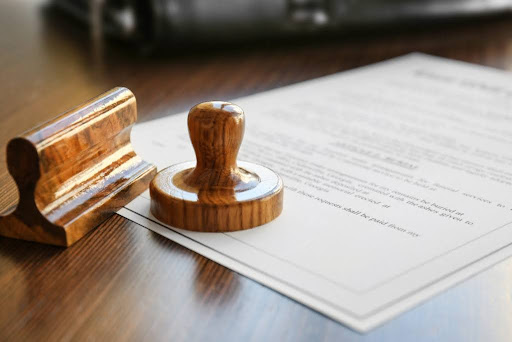
The Upper West Side carries its own quiet rhythm. Even when the avenues are bright with movement, there is still a sense of order under the surface, like a steady bassline beneath the city’s noise. We walk past brownstone stoops and prewar lobbies, we balance work and family, we juggle building rules and deadlines, and we try to keep our days feeling livable. Then a document shows up, sometimes folded into an envelope, sometimes sent as a PDF with a short message that tightens our shoulders. It needs to be notarized. It needs to be done correctly. It needs to be done soon.
That is where Upper West Side notary public services become practical in a way we can immediately feel. Notarization is not about drama. It is about certainty. It is a small, official pause in the middle of our lives that says, this signature happened in the right way, by the right person, at the right time. When we understand the process and prepare well, notarization becomes calm. It becomes a clean checkpoint, not a disruption.
What A Notary Public Does, And Why The Role Matters In New York
A notary public is a state-commissioned official who verifies identity, confirms willingness, and witnesses signatures, then completes a notarial certificate. In everyday terms, a notary helps reduce fraud and confusion by ensuring that the person signing is truly the person named in the document. The notary also observes that the signer is acting voluntarily, not being pressured, not being misrepresented, and not signing something they cannot understand at the moment.
This role matters because many institutions rely on notarization as a trust signal. Banks, courts, schools, landlords, government agencies, and international authorities often need a verified signature, not just a scanned one. In a city as fast and complicated as New York, notarization is one of the few processes built to slow down the most important part, which is the person signing.
Just as important is what a notary does not do. A notary typically does not provide legal advice. A notary does not decide whether a document is fair, wise, or enforceable. A notary is not there to negotiate terms or explain legal consequences. Those boundaries protect everyone. They keep the notary’s role focused and reliable, and they keep notarization from becoming subjective.
Why The Upper West Side Creates Constant Demand For Notary Services
The Upper West Side is full of documents that are deeply personal and intensely practical. Housing paperwork alone can be nonstop. Co-op and condo forms, management affidavits, refinancing documents, lease addenda, and occupancy statements regularly require notarization. Many of these documents must be executed cleanly the first time, because building offices and lenders can reject paperwork over small technical issues.
Outside housing, the neighborhood’s daily life brings its own notarization needs. Families handle school forms, travel consent letters, and custody-related documents. Professionals handle business agreements, employment paperwork, and sworn statements. Older adults and caregivers handle powers of attorney, healthcare proxies, and estate-related documents. Even when the document seems simple, the stakes often feel real. Notarization is the hinge that allows a personal decision to become a recognized, official action.
The Two Common Notarial Acts That Shape Most Appointments
A major source of confusion in notarization is that not every notarization is the same. Many documents require one of two common notarial acts. An acknowledgment confirms that we signed voluntarily and that we recognize the signature as ours. A jury involves swearing or affirming that the contents of the document are true, and it requires signing in the notary’s presence as part of that oath-style act.
The document usually indicates which one it needs. When we follow what the document requires, the process stays smooth. When we guess, it can lead to rejection later, especially with courts, agencies, or international submissions that are strict about certificate wording. The easiest way to save time is to match the notarization to the document’s instructions from the start.
Legal Documents That Commonly Require Notarization
Legal documents are often notarized because they carry authority that can affect another person’s rights or obligations. One of the most common examples is a power of attorney. This document can grant someone the ability to act on our behalf in financial or legal matters. Because the consequences can be significant, many institutions expect notarization as an added layer of verification.
Affidavits are another category. An affidavit is a written statement that we swear or affirm is true. Affidavits show up in housing disputes, court-related matters, insurance claims, and administrative processes. The jurat style of notarization is common here because the signer is making a sworn statement.
Other legal-related documents can include settlement statements, authorizations, name affidavits, and various sworn declarations. The exact requirements vary, but the consistent point is the same. When a document creates a legal record, notarization supports the integrity of that record.
Personal Documents That Often Need A Notary, Even When They Feel Ordinary
Personal documents sometimes surprise us. We might not think of a school form as serious until we are boarding a plane and realize a travel consent letter needs to be notarized. We might not think of a parental authorization as urgent until a camp, passport process, or international authority asks for notarized proof. We might not think of an identity statement as important until a name discrepancy slows down a filing.
Notarization shows up in personal life because it helps other parties trust the signature. It tells a school, a government office, or a receiving institution that the signer’s identity was verified. That extra step often prevents disputes later.
How We Prepare So The Appointment Feels Calm And Efficient
Notarization can be quick and smooth when we prepare with intention. The first rule is simple. We bring a valid, government-issued photo ID. Identification is the heart of notarization, and we want the ID to be current and legible.
We also bring the full document, complete and ready, typically unsigned unless the document instructions clearly say otherwise. Many notarizations require the notary to witness the signature, so signing too early can cause delays, reprints, and unnecessary repeat appointments.
We check for blanks. Notaries often cannot notarize documents with major blank spaces, because blanks invite later alteration. If a document must have certain fields completed, we complete them before notarization, while still leaving the signature line for the notary appointment.
We also pay attention to name consistency. The name on the document should match the name on the ID as closely as possible. Small differences can create real friction in New York, especially for documents that will be filed, recorded, or used internationally. If there is a mismatch, we address it before the appointment rather than hoping it will not matter.
Witnesses, Multiple Signers, And The Details That Save Us From Rescheduling
Some documents require witnesses. Some require multiple signers. When this is the case, coordination becomes the real challenge, not the notarization itself. We save time by confirming requirements early. Do we need one witness or two? Do they need to be disinterested? Do all signers need to be present at the same time?
In the Upper West Side, people often assume they can figure this out at the last minute. That is the moment problems appear. A calm approach is to verify witness requirements in advance and gather everyone’s IDs before the appointment. When we treat the appointment like a planned moment, it stays smooth.
Mobile Notary Convenience Without Turning The Blog Into A Sales Pitch
In Manhattan, mobility matters. The Upper West Side includes buildings with doormen, strict guest policies, elevator waits, and schedules that do not always cooperate. A mobile option can support residents who do not want to lose time traveling or waiting in line. It can also help when a signer is elderly, recovering, busy, or managing mobility limitations.
Even when we are fully able to travel, the city’s timing can be unpredictable. A short distance can become a long delay. Mobile notarization turns a moving target into a scheduled moment. That is not a shortcut. It is an efficiency that respects how Manhattan actually works.
Apostille And Document Authentication, When Paperwork Has A Passport
For many New Yorkers, notarization is only one part of a bigger story. When a document needs to be used internationally, additional authentication may be required. This is where apostilles and document authentication come in. The purpose is to prove that a document is legitimate under New York’s authority so it can be accepted abroad.
The process can vary depending on the destination and the type of document. Some documents are public records, such as certain vital records. Others are private documents that become notarized statements. Some may require county-level certification before state-level authentication, depending on how the document was notarized and how the receiving authority expects it to be verified.
The important point for busy residents is that international document requirements are often strict, and small mistakes can cause rejection. A clean notarization, completed correctly, is the foundation. When that foundation is solid, the rest of the authentication process becomes less stressful.
The Quiet Emotional Side Of Notarization, And Why It Deserves A Gentle Tone
Notarization is usually tied to life events. Moves. Family decisions. Medical planning. Legal disputes. Career transitions. Education milestones. International travel. Even when the document is routine, it can carry emotional weight because it represents change or responsibility.
This is why the best notary experience feels steady. It does not add friction. It does not create embarrassment. It does not make us feel rushed. It treats the signer with dignity and treats the document with precision. When we approach notarization as a calm process instead of a bureaucratic interruption, we protect our own nervous system while still meeting the requirement.
Common Mistakes That Waste Time, And How We Avoid Them
The most common time-wasting mistake is signing too early. If the document requires signing in front of the notary, we should wait. Another common mistake is arriving without an acceptable ID, or with an ID that is expired or damaged. Identity verification is not optional. It is the core of the notary’s job.
A third mistake is leaving blanks in the document. Blanks create risk, and risk creates hesitation, and hesitation creates delays. A fourth mistake is misunderstanding witness requirements. If witnesses are needed and not present, the appointment often cannot be completed.
The calmest way to avoid these problems is to confirm requirements early. We treat notarization as a precise sequence. We show up with everything ready, then the appointment becomes what it should be: short, clear, and finished.
Upper West Side Situations Where Notary Services Fit Perfectly
The neighborhood is full of practical scenarios. We might be signing a power of attorney so a trusted person can handle a matter while we travel. We might be finalizing a co-op package. We might be submitting an affidavit connected to a housing issue. We might be preparing a travel consent letter for a child. We might be dealing with an international document requirement and need the notarization step completed correctly before moving into authentication.
In each situation, the notary’s role is the same. Verify identity. Confirm willingness. Witness the signature. Complete the certificate properly. It is simple, but it is also the hinge that makes everything else move forward.
Conclusion: A Calm Way To Get It Done Without Losing Our Day
When we talk about Upper West Side notary public services, we are really talking about clarity and momentum. Legal and personal documents often arrive when our days are already full. Notarization does not have to become another stress point. When we understand what a notary does, prepare our documents properly, bring correct identification, and confirm witness needs in advance, the process becomes smooth. It becomes a quiet moment of verification that lets the rest of our paperwork proceed without friction.
NYC Notary Pros supports Manhattan residents with a practical, steady approach to notarization, apostille, and document authentication, especially when timing is tight and details matter. With over 15 years of experience, hundreds of completed mobile notarizations, and hundreds of apostille requests successfully handled, they focus on responsiveness, flexibility, and a process that feels clear from start to finish. If we want a calm way to handle important paperwork without turning our schedule upside down, we can connect through their website and book support that fits real Upper West Side life. And the artistic touch behind this writing lives in the pacing, the soft edges, and the attention to everyday detail, because even a legal process can be explained in a way that helps us breathe while we move forward.