

If you’ve never had a document notarized before, it’s easy to overthink the whole thing. Visiting a notary in the East Village for the first time is genuinely quick and low-pressure, but only if you arrive knowing what to bring, what’s going to happen, and what common mistakes to avoid.
Most first-time notary appointments that get derailed aren’t derailed because the process is complicated. They fall apart because someone signed the document at home before arriving, or showed up with an expired ID, or didn’t realize all the signers needed to be there at once. This guide covers all of it, so your appointment goes smoothly the first time.
What Happens During a Notarization Appointment
The appointment is shorter than most people expect. For a standard document with a single signer, the whole thing typically takes between ten and twenty minutes from the time you walk in. Here’s exactly what happens:
You arrive with your unsigned document and your photo ID. The notary reviews your ID to verify your identity, confirms the document is complete and ready to sign, and then watches you sign it. That witnessing of the signature is the central act of notarization, and it’s why you must wait to sign until you’re standing in front of the notary.
Once you’ve signed, the notary applies their official seal and countersigns the document. That seal is what makes the notarization official. It confirms that a credentialed, state-commissioned witness verified your identity and watched you sign under your own free will.
The notary then records the appointment in their journal, which is a standard requirement under New York State law, and your document is done.
That’s the whole process. No lengthy procedure, no complicated back-and-forth, just identity verification, witnessing, and the official seal.
What to Bring With You
Showing up prepared is the single most important thing you can do for a smooth first appointment. Here’s what you need:
A valid, government-issued photo ID. This is non-negotiable. The notary must verify that you are who you say you are, and they do that through government-issued identification. A current driver’s license, a valid passport, or a state-issued ID all work. The keyword is current: an expired ID, even one that expired recently, won’t be accepted. If your license or passport has lapsed, get it renewed before scheduling your appointment or bring a second form of valid ID and call ahead to confirm it’ll work.
An unsigned document in its final, complete form. Two things matter here. First, do not sign it before you arrive. The notary’s entire role in the appointment is to witness your signature happening in real time. A document you’ve already signed at home cannot be notarized. Second, the document must be filled out. Every field that’s meant to be completed needs to be completed before you walk in. Notaries cannot notarize documents with blank spaces where information belongs.
All other signers are required. If more than one person needs to sign the document, all of them must be present at the appointment, each with their own valid photo ID. Partial signings cause real problems, particularly for legal and real estate documents where all parties must be witnessed simultaneously.
Payment, if applicable. New York State caps the fee a notary can charge per signature at $2, but additional fees may apply for mobile service or document-specific processing. Ask about fees when you book so there are no surprises.
Common Reasons People Visit a Notary in the East Village
The East Village has a mix of long-time residents, young professionals, artists, and small business owners, and that variety shows up in the types of documents people bring in. Here are the most common reasons people come to see us:
Lease agreements and real estate documents. Whether you’re signing a new lease, adding a co-signer, or handling paperwork connected to a property purchase, real estate documents are among the most frequently notarized items we see. Our real estate notary services cover the full range of what property transactions require.
Power of attorney. Power of attorney documents authorize someone to act on another person’s behalf in legal or financial matters. They’re particularly common when a family member is ill, aging, or otherwise unable to manage their own affairs. These documents carry significant legal weight, which is exactly why notarization is required.
Estate planning documents. Wills, trusts, and healthcare proxies are documents people put off far longer than they should, partly because the process feels intimidating. It doesn’t have to be. We handle estate planning notary services regularly, and the notarization step itself is quick once your documents are drafted and ready.
Wills. In New York, wills have specific execution requirements that go beyond notarization alone, including the need for witnesses. Our wills notary services page outlines what the process involves and what you’ll need to have in place.
Affidavits and sworn statements. These are common for legal proceedings, insurance claims, immigration applications, and other situations where a written statement needs to carry legal weight.
Business documents. Contracts, authorization letters, corporate resolutions, and other business paperwork regularly require notarization before they can be executed or submitted.
Mistakes First-Timers Often Make (And How to Avoid Them)
These mistakes come up often enough that they’re worth addressing directly. Any one of them can require you to reschedule.
Signing the document before arriving. This is the most common issue. No matter how complete and correct the document is, if the signature is already on it, the notary cannot witness what’s already happened. Come with a blank signature line.
Bringing an expired ID. Check your wallet before your appointment. It takes thirty seconds and can save you a wasted trip.
Leaving blank fields in the document. If there are sections of the document you don’t know how to complete, get that figured out before your appointment, not during it. The notary cannot fill in the blanks for you, and they cannot notarize a document that isn’t complete.
Forgetting co-signers. If your document requires two or more signers, arrange for everyone to come to the same appointment. Coming back with the second signer on a different day usually means starting the notarization process over.
Expect the notary to advise you on the document’s content. Notaries aren’t lawyers, and providing legal guidance is outside their authorized role. If you have questions about what a document means or whether you should sign it, speak with an attorney before your notary appointment.
What the Notary Cannot Do
Beyond the legal advice point above, there are a few other limitations worth knowing. A notary cannot notarize a document in which they have a personal interest, such as one that names them as a beneficiary or grants them any form of authority. A notary also cannot notarize their own signature, or the signature of an immediate family member, in most circumstances.
For standard remote or online notarization, New York has specific rules about when remote online notarization is permitted and what technology requirements must be met. In-person notarization remains the standard for most document types, and it’s what we handle at our East Village location.
Conclusion
Your first visit to a notary in the East Village will be over before you know it, as long as you come prepared. Bring a valid ID, arrive with an unsigned and fully completed document, make sure every required signer is there, and the appointment takes care of itself. The process is designed to be quick and efficient, and with the right preparation, it is.
About NYC Notary Pros
We provide notary services throughout the East Village and surrounding neighborhoods, with both walk-in and scheduled appointments available. Our team handles everything from personal documents and estate planning to business contracts and real estate closings, with a professional and welcoming approach for first-timers and regulars alike. View our services or contact us to book your appointment today.
Frequently Asked Questions
Do I need an appointment to visit a notary in the East Village?
We recommend scheduling in advance to guarantee your preferred time, but we do our best to accommodate walk-ins based on availability. Calling ahead takes two minutes and confirms you won’t have to wait.
What ID do I need to bring to a notary?
A current, government-issued photo ID is required. A driver’s license, a valid passport, or a state-issued ID all work. The ID must not have expired, so check before you leave.
Can I sign the document before going to the notary?
No. The notary must witness your signature in person. Signing beforehand means the appointment cannot proceed, and you’ll need to obtain a fresh, unsigned copy of the document.
How long does a notary appointment take?
Most standard appointments take between ten and twenty minutes. If you’re bringing multiple signers or multiple documents, allow a little more time. Coming prepared with everything in order keeps things moving quickly.
What if I need a witness? Does the notary provide one?
The notary serves as a witness to your signature, but for documents that legally require additional witnesses, such as wills in New York State, you’ll need to arrange for those witnesses yourself. They must be present at the appointment and cannot be parties to the document.
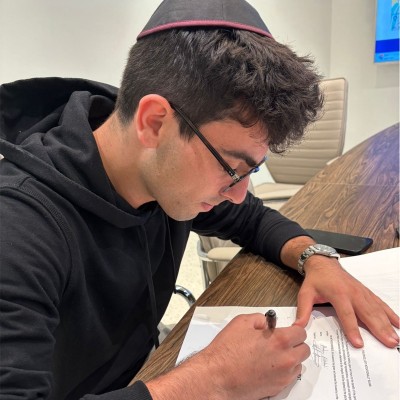
Sammy Chabbott is a highly experienced Licensed Notary Public and apostille specialist based in New York City. As the founder and primary expert at NYC Notary Pros, Sammy has dedicated his career to helping individuals, families, and businesses navigate complex document authentication processes with professionalism and care. With a deep understanding of notarial laws, apostille requirements, and international document standards, he ensures every service, from notarizations to apostille certifications, is completed accurately and efficiently.
Sammy’s expertise includes mobile notary services, same‑day apostille processing, and legal document support, making vital paperwork simpler for clients across Manhattan, Brooklyn, Queens, the Bronx, and Staten Island. His commitment to reliability, attention to detail, and client satisfaction has established NYC Notary Pros as a trusted partner for notarization and international document needs.