
It happens in the middle of a workday, between meetings, medical appointments, or school pickups. A document suddenly needs a notarized signature today, not tomorrow. The signer cannot step away from home, the office, or a care setting, yet the deadline is firm. In a neighborhood where time moves quickly and schedules are tightly packed, even small delays feel heavy.
This is exactly why so many residents and professionals turn to a Mobile Notary in the Upper East Side, NY, when paperwork cannot wait. Instead of rearranging an entire day around travel, parking, and office hours, notarization comes directly to you, quietly fitting into the rhythm of your life.
In this guide, we walk through what mobile notarization really means in New York City, how appointments work, what to prepare ahead of time, and how to avoid the small mistakes that often cause frustrating delays. The goal is simple: make the process smooth, precise, and finish the first time correctly.
What Mobile Notarization Really Means In NYC And Why It Helps
At its core, mobile notarization is straightforward. A commissioned notary travels to an agreed location instead of requiring the signer to come to a fixed office. The location might be a home, workplace, hospital room, lobby, or any quiet space suitable for signing.
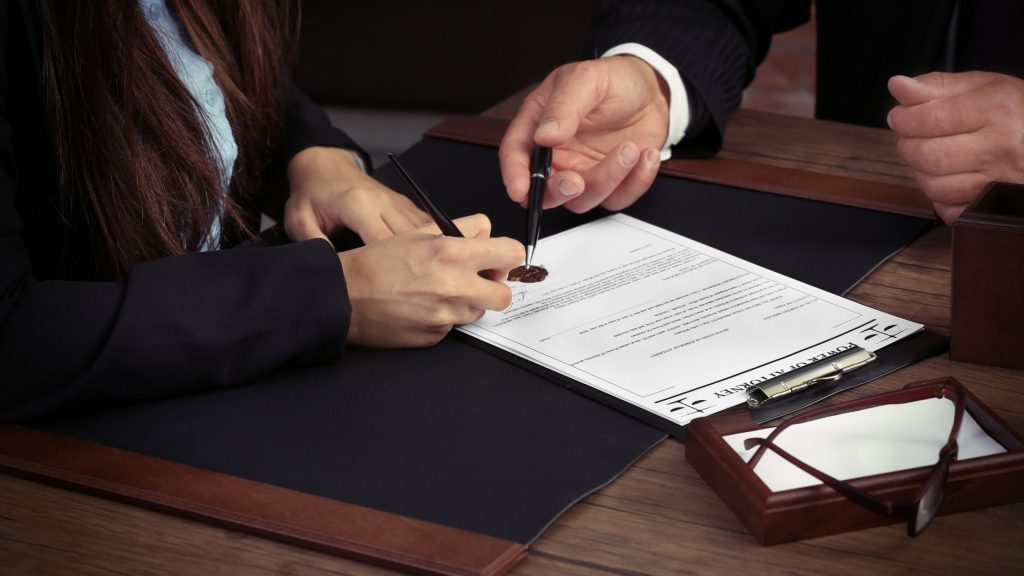
The appointment follows the same legal structure as a traditional notarization. The notary verifies identity using valid government-issued identification, confirms the signer is aware and willing, reviews the document for completeness, observes the signature, and completes the notarial certificate properly. Nothing is rushed or skipped. The only difference is convenience and speed.
On the Upper East Side, this flexibility matters. Long workdays, caregiving responsibilities, limited mobility, and time-sensitive legal or financial deadlines make travel difficult. A Mobile Notary in the Upper East Side, NY, becomes less of a luxury and more of a practical solution that respects how busy life truly is.
Why Do People Choose Mobile Service On The Upper East Side
This neighborhood moves with quiet efficiency. Professionals head from office to appointment to dinner reservations. Families juggle school schedules and elder care. Patients recover in hospitals and care facilities where stepping out simply is not possible.
Mobile notarization fits into this flow. Instead of disrupting the day, the service adapts to it. The notary arrives calmly, handles the signing with professionalism, and leaves the client free to return to their responsibilities without losing hours to logistics.
There is also a subtle comfort factor. Signing important legal documents in a familiar environment often reduces anxiety. Clients feel more focused, more relaxed, and less rushed, which contributes to cleaner execution and fewer mistakes.
The Documents Most Commonly Notarized In This Neighborhood
Personal and family-related documents are among the most frequent. Powers of attorney, healthcare proxies, affidavits, consent letters for travel, and name change paperwork often arise unexpectedly and carry urgent timelines. Many of these documents affect medical care, financial authority, or family logistics, making prompt notarization essential.
Real estate and financial paperwork are another major category. Closings, refinancing forms, lender affidavits, and property-related declarations all depend on precise notarization. Even a small wording issue in the notarial certificate can trigger rejection and delay funding or recording.
Administrative, school, and international documents are also common. Sworn statements, enrollment forms, and records that later require apostille or authentication frequently begin with notarization. When documents are destined for use overseas, notarization is often just the first step in a longer process.
This is where a Mobile Notary in Upper East Side, NY, not only saves time today but can help guide clients through what comes next if international certification is required.
How The Appointment Works From Start To Finish
The notary begins by verifying identity using valid government-issued photo identification. The name on the ID must match the name on the document exactly. The notary also confirms that the signer understands what they are signing and is doing so willingly.
Next, the document is reviewed for completeness. This does not involve reviewing legal content but ensures that all pages are present and the appropriate notarial certificate is included. The signer then signs in the notary’s presence, and the notary completes the certificate properly.
Throughout the process, the focus remains calm and precise. The goal is accuracy first, speed second. When everything is prepared in advance, most appointments move efficiently and without stress.
What you should prepare before we arrive
To keep things running smoothly, a little preparation makes a big difference:
- A valid, unexpired government-issued photo ID
- Your legal name on the ID matches the document exactly
- The document is printed, complete, and ready to sign
- Any required witnesses arranged ahead of time
- A quiet, well-lit space for signing
Readiness is the simplest way to ensure the appointment stays fast and efficient.
Understanding the notarial certificate and why wording matters
There are two common types of notarization most people encounter.
An acknowledgment confirms that you signed the document willingly. This is commonly used for contracts, deeds, and many financial forms.
A jurat requires you to swear or affirm that the contents of the document are true and sign in front of the notary. This is often used for affidavits and sworn statements.
The receiving agency, court, or attorney usually specifies which one is required. Choosing the wrong one can result in rejection, so confirming ahead of time prevents unnecessary redo appointments.
Where mobile notarization typically takes place
Most signings happen in homes, offices, building lobbies, or other private spaces where documents can be signed calmly and without interruption. A stable surface, good lighting, and minimal distractions help ensure accuracy.
Special situations, such as hospitals and care facilities, simply require a bit more coordination. Visiting hours, access policies, and quiet areas must be arranged in advance. Experienced mobile notaries approach these environments with sensitivity, patience, and respect for comfort and dignity.
A quick checklist to avoid delays and redos
Document readiness
- Final version confirmed
- All pages present and in order
- No unintended blank signature lines
- Attachments and exhibits included
- Correct notarial certificate language present
ID and name match
- Unexpired government-issued photo ID
- Name matches the document exactly
- Secondary ID available if requested
Witnesses if required
- Confirm whether witnesses are needed
- Verify who is eligible to serve
- Have them present at the start
Common mistakes and how to prevent them
One of the most frequent issues is forgotten or expired identification. Without proper ID, the notarization cannot legally proceed. A quick pre-check avoids wasted time. Last-minute document changes are another common delay. Edits after scheduling often require reprinting and can disrupt timing. Reviewing the final version before the appointment prevents this problem.
There is also occasional confusion between notarization and legal advice. A notary confirms identity and the signing process, but cannot advise on which document to use or whether you should sign it. Those questions are best directed to an attorney or the organization receiving the document.
How to choose the right mobile notary for urgent work
Reliable service shows up in practical ways:
- Fast, clear communication
- Straightforward scheduling
- Punctual arrival
- Accurate certificate completion
- Professional demeanor
Before booking, it helps to ask about service areas, available time windows, rush availability when feasible, witness handling, and what to bring to the appointment.
With over 15 years of experience and hundreds of successful mobile notarizations and apostille requests completed, NYC Notary Pros has built a process designed specifically for busy New Yorkers who value precision and calm efficiency.
When notarization is only the first step for international documents
If your document is headed overseas, notarization is often followed by an apostille or authentication. The requirements depend on the destination country and the type of document being used.
Some countries participate in international apostille agreements, while others require a longer authentication chain. Understanding this early prevents last-minute surprises and delays.
NYC Notary Pros coordinates notarization with apostille and document authentication whenever possible, including same-day options for eligible documents and streamlined drop-off logistics when time is tight.
FAQs
What kind of ID do I need for notarization?
A valid, unexpired government-issued photo ID with a name that matches your document exactly is typically required.
Can you come after work hours or on short notice?
Flexible scheduling is often available. Same-day and rush requests may be possible depending on timing, location, and document readiness.
Do I need witnesses for my document?
Some documents require witnesses, and others do not. It depends on the document type and who will accept it. Confirming ahead of time prevents delays.
What is the difference between an acknowledgment and a jurat?
An acknowledgment confirms you signed willingly. A jury requires you to swear or affirm that the statement is true and sign in front of the notary.
If my document is going overseas, do I need an apostille?
Often yes, but requirements vary by country and document type. It is best to confirm early so the process stays smooth.
Conclusion
Life on the Upper East Side moves quickly, and important paperwork rarely waits for a convenient moment. The cleanest outcome is a signing that feels simple, precise, and finished correctly the first time.
Choosing a Mobile Notary in the Upper East Side, NY means fewer trips, less waiting, and a process that respects your schedule without cutting corners. It turns urgency into efficiency and stress into calm clarity.
For dependable mobile notarization, apostille services, and document authentication support with flexible scheduling and rush options when feasible, contact NYC Notary Pros. Their friendly, experienced team is ready to help make your next notarization seamless from start to finish.