
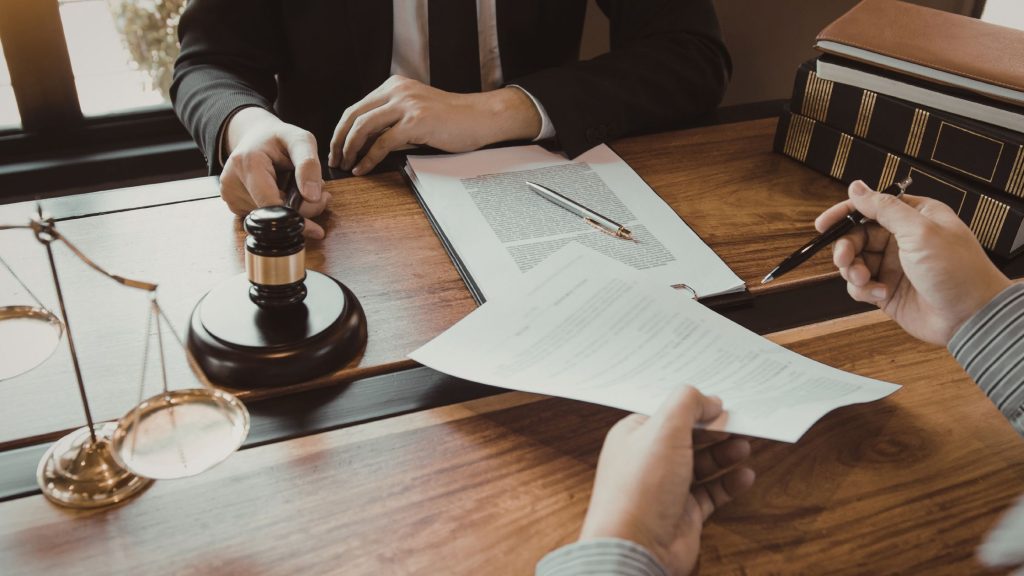
A client calls in a panic. A power of attorney must be signed today. A closing has moved up unexpectedly. A healthcare directive cannot wait until next week. In legal work, urgency is not a rare exception. It is part of daily reality. Documents are carefully drafted, reviewed, and revised, yet the final step often creates the greatest friction: getting a notarized signature before a deadline closes.
This is where experienced legal professionals begin looking beyond traditional office notarization. Rather than sending clients across the city or juggling conflicting schedules, many attorneys now rely on a Mobile Notary for Time-Sensitive Documents to bring precision, compliance, and speed directly to the signer.
What makes the difference is not simply convenience. It is the blend of rapid scheduling, proper identity verification, clean paperwork execution, and reliable coordination that keeps legal matters moving forward without compromising standards. When notarization becomes a mobile service instead of a logistical hurdle, deadlines feel manageable again.
Why Deadlines Hit Harder In Legal Work Than In Most Industries
Legal timelines rarely adjust to personal circumstances. Court filing windows are fixed. Closing dates are contractually bound. Statutory deadlines carry real consequences. Clients may be traveling, hospitalized, or balancing work responsibilities that make office visits difficult. Yet the documents must be signed correctly and on time.
Every delay compounds pressure. A missed filing can push a case back weeks. A postponed closing can disrupt financing and contractual relationships. Even small holdups can create frustration, added costs, and unnecessary stress for clients who already feel overwhelmed by legal processes.
In this environment, a Mobile Notary for Time-Sensitive Documents functions as a practical operational solution. It removes one of the most common bottlenecks by bringing notarization directly to where the signer already is, whether that is a law office, residence, hospital room, or business location.
When Notarization Becomes The Unexpected Bottleneck
Attorneys often have documents prepared well in advance. The legal language is complete. Instructions are clear. Yet coordination around the signing can unravel quickly. Clients struggle to leave work. Travel time across New York traffic eats up hours. Witnesses cannot align schedules. Last-minute document updates force reprinting.
Notarization itself is not the problem. Logistics are.
This is why mobile notarization is not about cutting corners. It is about removing unnecessary friction. By shifting the notarial act to the signer’s environment, attorneys gain control over timing, accuracy, and flow, keeping legal matters progressing instead of stalling.
What Attorneys Gain By Bringing Notarization To The Signer
Faster scheduling without sacrificing formality
A mobile notary travels to the agreed location and handles the notarization with the same legal rigor as an office setting. Identification is reviewed carefully. The signer’s awareness and willingness are confirmed. The correct notarial certificate is completed on the spot. The entire process remains formal, compliant, and professionally documented.
The difference is speed. Appointments can often be arranged within hours rather than days, making the Mobile Notary for Time-Sensitive Documents an essential resource when urgency strikes.
A calmer client experience during stressful moments
Clients dealing with legal issues are often emotionally taxed. Medical emergencies, estate matters, urgent business decisions, or litigation pressures leave little room for logistical complications. When a notary comes to them, the experience becomes smoother and less intimidating.
Clear instructions, patient pacing, and a structured signing flow help clients feel supported rather than rushed. Accessibility also improves for individuals with mobility limitations, caregivers who cannot leave dependents, or professionals with inflexible schedules.
Cleaner execution that prevents costly rework
Experienced mobile notaries recognize common pitfalls. Missing pages, incorrect certificate wording, mismatched names, and incomplete acknowledgments can all lead to document rejection. By ensuring each notarization is executed correctly the first time correctly, attorneys avoid redo appointments, filing delays, and frustrated clients.
The attorney retains full control over the legal content. The notary ensures the notarial act is properly completed. Together, the process becomes both faster and more reliable.
The Documents Most Often Driving Urgent Mobile Notarization
Powers of attorney and healthcare directives
Medical situations change quickly. Families may need authority established immediately. Travel plans may require legal permissions on short notice. These documents frequently become urgent with little warning.
Attorneys benefit from confirming that names match identification exactly, that valid government-issued IDs are available, and that any witness requirements are understood before the notary arrives. This preparation allows the signing to proceed without interruption.
Affidavits and sworn statements
Some filings require acknowledgments, while others require jurats where the signer swears or affirms the truth of the document. The difference matters legally. Understanding which certificate applies prevents rejection by courts or agencies.
Before the appointment, attorneys can ensure the proper notarial wording is included and that the signer is prepared to swear or affirm if required.
Real estate and financial documents
Closings often shift with little notice. Lenders request last-minute corrections. Occupancy deadlines loom. Out-of-state signers add complexity.
Mobile notarization supports printing, scanning, shipping coordination, and precise timing windows. The Mobile Notary For Time-Sensitive Documents becomes part of the transaction workflow rather than a scheduling obstacle.
Business and corporate agreements
Urgent contracts, board resolutions, vendor agreements, and partnership changes often need immediate execution. Discretion, punctuality, and professionalism matter in these environments. A mobile notary delivers efficiency while maintaining confidentiality and formality.
How Mobile Notarization Protects Both Speed And Compliance
Identity verification and signer willingness
A notary must confirm identity using a valid government-issued identification. The signer must understand what they are signing and must do so voluntarily. These safeguards protect against fraud and improper execution.
Even under tight deadlines, these steps are never rushed or skipped. Speed comes from logistics, not from compromising procedure.
Getting the right certificate the first time
Acknowledgments confirm that a signer willingly signed the document. Jurats involve swearing or affirming that the contents are true. Each serves a different legal purpose.
Attorneys can streamline the process by confirming preferred certificate language in advance, verifying venue requirements, and ensuring documents match filing expectations.
Witness coordination and special locations
Some documents require witnesses in addition to notarization. Planning who can serve as a witness avoids delays.
Hospitals, care facilities, and secure environments require additional coordination. Access permissions, quiet spaces, and timing considerations all factor in. Experienced mobile notaries understand how to navigate these settings efficiently.
Common mistakes that slow attorneys down and how to avoid them
Last-minute document edits after the signer arrives often lead to reprinting or rescheduling. A final version review before the appointment prevents unnecessary delays.
Identification issues are another frequent problem. Expired IDs, nicknames that do not match legal names, hyphenation differences, and address inconsistencies can halt a notarization. A simple pre-check message asking clients to have a valid ID ready and confirm name spelling avoids frustration.
Choosing speed over reliability can also backfire. The fastest option is not helpful if the paperwork must be redone. Reliability includes punctuality, accurate certificates, clear communication, and professional handling.
A practical checklist attorneys can use before booking a mobile notary
Document readiness checklist
- Final version confirmed
- All pages are present and in correct order.
- No blank signature lines
- Proper notarial certificate included
- Printing needs clarifications
- All exhibits or attachments included
Signer readiness checklist
- Valid government-issued ID available.
- The legal name matches the document exactly.
- Signer understands and is willing to sign
- Location and timing confirmed
- Accessibility needs communicated
Appointment logistics checklist
- Witnesses arranged if required.
- Building access or parking instructions provided
- Secure signing area identified.
- Scan back or delivery needs planned.
- Drop off or shipping method confirmed
How to choose a mobile notary partner for legal work
Attorney-friendly service indicators
- Fast response times
- Clear appointment coordination
- Familiarity with legal document types
- Accurate certificate completion
- Calm, professional demeanor
Experience and track record
A seasoned provider understands urgency, compliance, and client care. With over 15 years of experience and hundreds of mobile notarizations and apostille requests completed, NYC Notary Pros has built a workflow specifically designed to reduce stress for attorneys and clients alike.
Coverage and flexibility
Same-day availability, after-hours appointments, weekend support, and accommodations for special circumstances make mobile notarization adaptable to real legal schedules.
When time-sensitive notarization also requires an apostille or authentication
Documents headed overseas often need additional certification depending on the destination country and document type. Birth certificates, court documents, academic records, and corporate paperwork frequently require an apostille or further authentication.
Identifying this need early prevents costly delays. Requirements vary by issuing authority and foreign jurisdiction, making coordination essential.
NYC Notary Pros streamlines notarization and apostille handling into a single workflow when possible. For eligible documents and feasible processing windows, same-day apostille services with rapid turnaround and drop-off coordination help attorneys meet international deadlines without unnecessary back and forth.
Preparation typically includes confirming whether an original or certified copy is required, verifying the issuing authority, and identifying any additional steps needed for specific countries.
Conclusion
Attorneys operate in a world where deadlines shape outcomes. Clients’ lives, transactions, and legal protections depend on timely execution. When the final signature becomes the slowest step, momentum is lost.
That is why so many professionals rely on a Mobile Notary For Time-Sensitive Documents to keep matters moving with precision, compliance, and care. By reducing logistical friction, improving execution quality, and supporting clients through high-pressure moments, mobile notarization transforms urgency into efficiency.
For attorneys seeking dependable mobile notarization, apostille services, and document authentication with fast turnaround options when timing matters most, contact NYC Notary Pros. Their experienced, flexible team is ready to support your most time-sensitive legal needs with professionalism and calm reliability.
FAQs
Can a mobile notary come to a law office, hospital, or client’s home?
Yes. Mobile notaries travel to agreed locations, including offices, residences, hospitals, care facilities, and business environments, coordinating timing and access in advance.
What is the difference between an acknowledgment and a jurat?
An acknowledgment confirms that the signer willingly signed the document. A jurat requires the signer to swear or affirm the truth of the contents. Choosing the correct one ensures acceptance by courts and agencies.
What IDs are typically acceptable for notarization?
Valid government-issued photo identification that matches the signer’s legal name on the document is generally required.
Do witnesses need to be present for certain legal documents?
Some documents require witnesses depending on the jurisdiction and document type. Planning this avoids rescheduling.
If a document is going overseas, do we need an apostille?
Often yes, but requirements vary by destination country and document type. Confirming early prevents delays.