

Picture this. You are days from closing on a Chelsea apartment, your inbox overflows with forms, and one line on the signing page reads, sign in the presence of a notary. Suddenly, a single signature stands between you and the keys. A notary public in Chelsea, NYC, exists for exactly this moment, the point where a document stops being a draft and becomes something a bank, a court, or a county clerk will actually honor. Whether you are buying property, swearing to a statement, or putting an estate plan in order, the notary is the neutral witness who makes your signature count.
This guide walks through the three areas where Chelsea residents rely on a notary most: real estate closings, affidavits and sworn statements, and estate documents, and it finishes with a few habits that keep your appointment short.
What a Notary Actually Checks Before You Sign
A notary public is a state-commissioned officer, not a lawyer, and the role is precise. Before any stamp touches paper, the notary confirms a few things. New York spells out these duties in its Notary Public License Law, and a careful notary follows them to the letter. First comes identity. You present a current government-issued photo ID, and the notary checks that the name matches the document. Next comes willingness. The notary makes sure you understand what you are signing and that nobody is pressuring you. Then comes the act itself. The notary watches you sign, completes the notarial certificate, and applies the official seal.
Behind the scenes, the notary also records the act, often in a journal that logs the date, the document type, and the identification presented. That record protects everyone if a signature is ever questioned later. One clarification saves a lot of confusion; a notary verifies who signed, not whether the contents are true or wise. The notary will not give legal advice or tell you whether to sign, and that line is exactly why a notarized document carries weight.
Real Estate Closings in Chelsea That Need a Notary
Real estate is where most people meet a notary for the first time. Chelsea moves a lot of property, from prewar walk-ups to glass towers near the High Line, and nearly every transaction generates documents that require notarization. Deeds, mortgage agreements, and refinancing packages all need a notarized signature before a lender or the county will record them.
Why so strict? Property carries high value and real fraud risk, so lenders and title companies insist on a notary to confirm that the person signing the mortgage is truly the borrower. When you work with our real estate notary services, the goal is simple: get every page signed the first time correctly, so the closing does not stall over a missed line or a mismatched name.
Chelsea adds its own wrinkle, co-ops and condos. Board recognition agreements, co-op transfer forms, and condo paperwork often require notarization, and signing day usually puts an attorney, a title agent, and sometimes a lender representative in the same room. A notary who knows closings keeps that room moving, checking IDs, matching names, and confirming that no signature line gets skipped. If you are buying, selling, or refinancing, ask early who is providing the notary, since some closings happen at a title office and others happen at your apartment, which is where a mobile option earns its keep.
Timing deserves attention, too. Lenders often release closing documents in a tight window, and some pages must be signed on a specific day to stay valid. Confirming the notary’s availability the moment you have a closing date keeps a small scheduling gap from derailing an otherwise smooth deal.
Affidavits and Sworn Statements People Sign Most
Outside of real estate, affidavits send the most people looking for a notary. An affidavit is a written statement you swear is true, and the notary administers the oath or affirmation that gives it legal force. Chelsea residents sign these for all kinds of reasons. Common examples include affidavits of identity, residence, and support, along with authorization and consent forms. Power of attorney documents come up constantly, letting someone you trust act on your behalf for financial or medical matters. People also notarize statements for court cases, immigration filings, and insurance claims.
Here is a detail worth knowing. Notaries perform two main acts, an acknowledgment and a jurat, and they are not interchangeable. With an acknowledgment, you confirm that you signed a document willingly. With a jurat, you swear that the contents are true, and you sign in front of the notary. The certificate wording differs, and using the wrong one can result in a document being rejected. A good notary will ask what your document requires or point you to confirm with the receiving party, since the notary cannot choose for you.
Estate Documents Where Accuracy Carries the Most Weight
Few documents feel more personal, or face more scrutiny later, than the ones that decide what happens to your assets and your care. Estate paperwork is where a small mistake creates a large headache, sometimes years down the road when the document finally gets used. Wills, trusts, healthcare proxies, and powers of attorney often pass through a notary, and several of them also require witnesses who sign at the same time.
New York sets specific rules for how these documents must be executed, and the notary handles the notarization portion cleanly so the document holds up if anyone challenges it. If you are organizing your affairs, our estate planning notary services and wills notary services are built around exactly this: calm, careful signings where every signature and witness lands in the right place. Many families schedule these at home, especially when an older relative finds travel difficult, which again points toward a mobile notary.
How to Prepare So the Appointment Goes Smoothly
A little preparation turns a notary visit into a five-minute task, and three habits make the biggest difference. First, do not sign ahead of time, because the notary needs to witness the signature, so bring documents unsigned unless instructed otherwise. Second, bring a valid, unexpired, government-issued photo ID, and make sure every signer brings their own, since all signers must be present together. Third, line up any required witnesses in advance, because some estate and legal documents need them in the room.
If your schedule is tight or you simply cannot reach an office, ask about same-day and after-hours appointments. Our mobile notary services bring the notary to your apartment, office, or care facility across Chelsea and the rest of Manhattan, so the paperwork fits around your day rather than the other way around.
What a Notary Will Not Do, and Why That Helps You
It helps to know the limits of the role, because they exist for your protection. A notary will not draft your document, explain its legal effect, or advise you on whether to sign, since that work belongs to an attorney. A notary will not notarize a signature for someone absent, even a spouse or parent, because the signer has to appear in person. And a notary will not proceed if a signer seems confused, intoxicated, or pressured. None of this is the notary being difficult; it is the safeguard that lets a bank, a court, or a county clerk trust the stamp without a second thought.
Bringing It All Together
From a closing table to a kitchen table, a notary public in Chelsea, NYC protects the moments that carry real legal and financial weight. The notary confirms identity, witnesses the signature, and completes the certificate that turns your document into something institutions will accept, whether that is a mortgage, an affidavit, or a will. Knowing which act your document needs, and arriving prepared, keeps the whole thing fast and stress-free.
NYC Notary Pros, Chelsea Signings Made Simple
NYC Notary Pros is a Manhattan-based team that handles these documents day in and day out, including real estate, estate planning, business, and personal paperwork. We are mobile and appointment-friendly, with flexible hours that include evenings and weekends, and we travel to homes, offices, hospitals, and care facilities throughout Chelsea. If you have a closing on the calendar or a stack of forms that need a stamp, contact NYC Notary Pros to book a time that works for you, or to ask which notarial act your document requires before you sign.
Frequently Asked Questions
Do I need an appointment to see a notary public in Chelsea, NYC?
Not always, but booking ahead is smart, especially for closings, estate documents, or after-hours visits when timing matters most.
Can a notary refuse to notarize my document?
Yes. A notary must decline if they cannot verify your identity, if you seem unsure or pressured, or if the document is incomplete. That protects you as much as anyone.
What identification do I need to bring?
A current, unexpired, government-issued photo ID such as a driver’s license, state ID, or passport, with a name that matches the document you are signing.
Can one notary handle several documents in a single visit?
Yes. A notary can notarize multiple documents in one appointment, which is common for closings and estate planning sessions.
Does a notarized document ever expire?
The notarization itself does not expire, though the underlying document may carry its own validity period or filing deadline set by the agency that receives it.
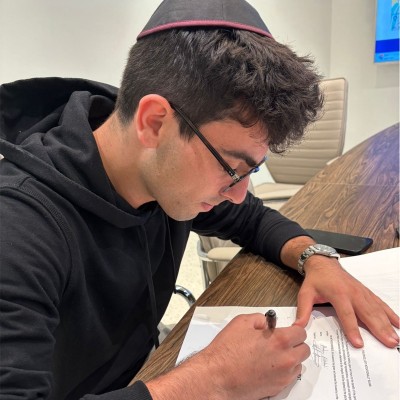
Sammy Chabbott is a highly experienced Licensed Notary Public and apostille specialist based in New York City. As the founder and primary expert at NYC Notary Pros, Sammy has dedicated his career to helping individuals, families, and businesses navigate complex document authentication processes with professionalism and care. With a deep understanding of notarial laws, apostille requirements, and international document standards, he ensures every service, from notarizations to apostille certifications, is completed accurately and efficiently.
Sammy’s expertise includes mobile notary services, same‑day apostille processing, and legal document support, making vital paperwork simpler for clients across Manhattan, Brooklyn, Queens, the Bronx, and Staten Island. His commitment to reliability, attention to detail, and client satisfaction has established NYC Notary Pros as a trusted partner for notarization and international document needs.